
Energy and comfort
Exterior vs. Interior Shades: What the Research Shows
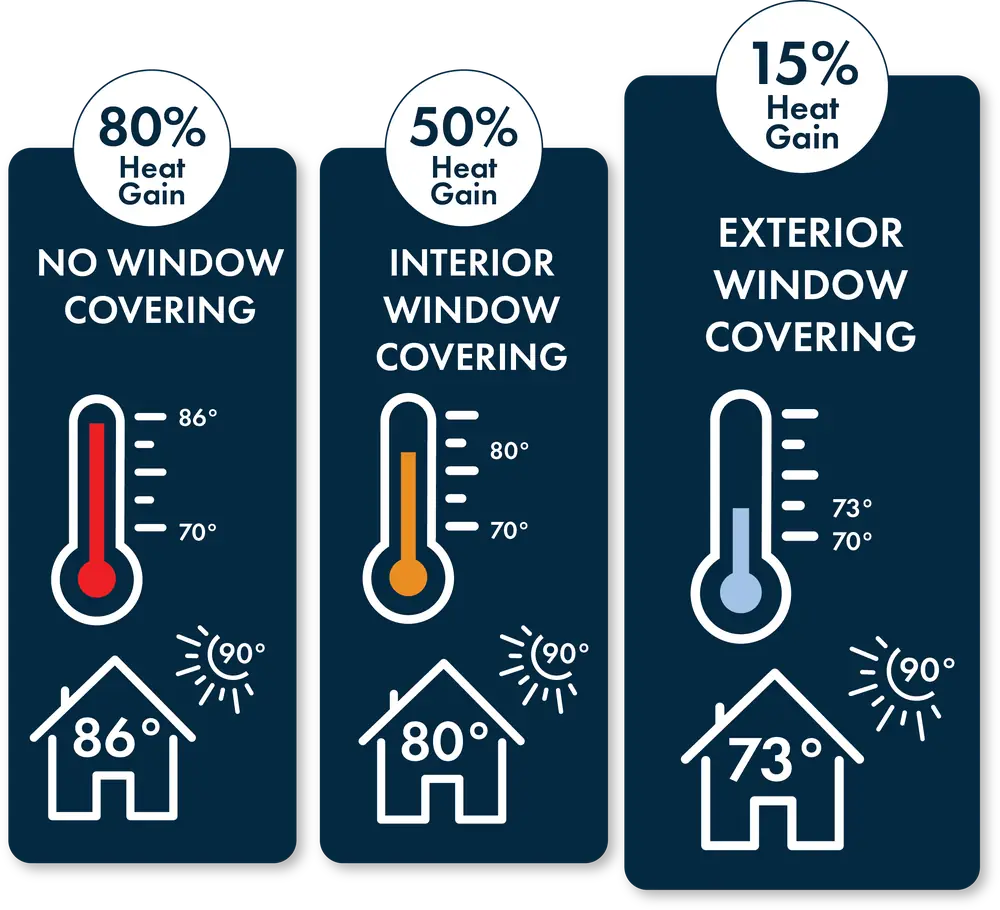
Blinds and curtains block the light, but by then the sun's heat is already inside. Shading the window from the outside stops most of that heat before it reaches the glass.
Why outside beats inside
Stop the heat before it gets in
Interior blinds trap the heat
Sunlight passes through the glass, hits the blind and turns to heat inside your room. The blind blocks the glare, but the heat stays in.
Exterior shades keep it outside
An exterior screen or awning catches the sun before it reaches the window. The heat it absorbs stays outdoors, so the room behind it stays cooler.
The U.S. Department of Energy's Building America Solution Center makes the same point: because exterior attachments block sunlight before it passes through the window, they are typically more effective at reducing solar heat gain than interior ones.
Measured here in Washington
What the PNNL study found
Pacific Northwest National Laboratory, working with Lawrence Berkeley National Laboratory and funded by the U.S. Department of Energy, tested motorized exterior fabric shades in side-by-side lab homes in Richland, WA, then in three occupied homes.
Source: Hunt, W.E. and Cort, K.A., Evaluation of Exterior Shades at PNNL Lab Homes and Occupied Field Sites, PNNL-30536, Pacific Northwest National Laboratory, 2020. Sponsored by the U.S. Department of Energy Building Technologies Office.
Put it to work
Exterior shade for your home
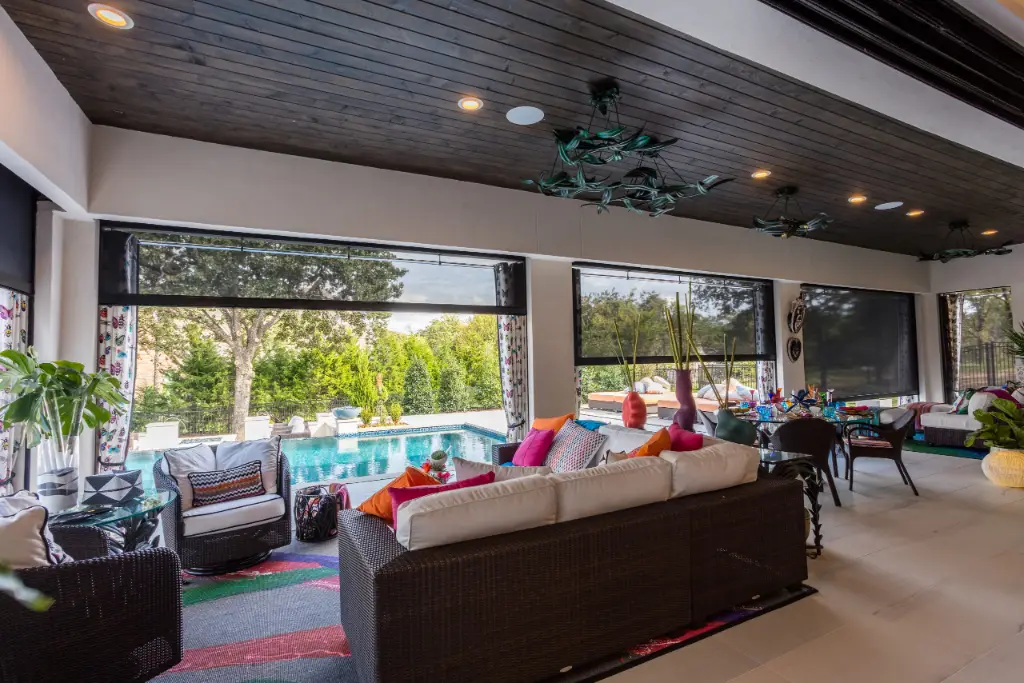
Exterior screens
Motorized fabric screens, the same kind of shade PNNL tested. Block heat and glare while keeping the view.
Explore →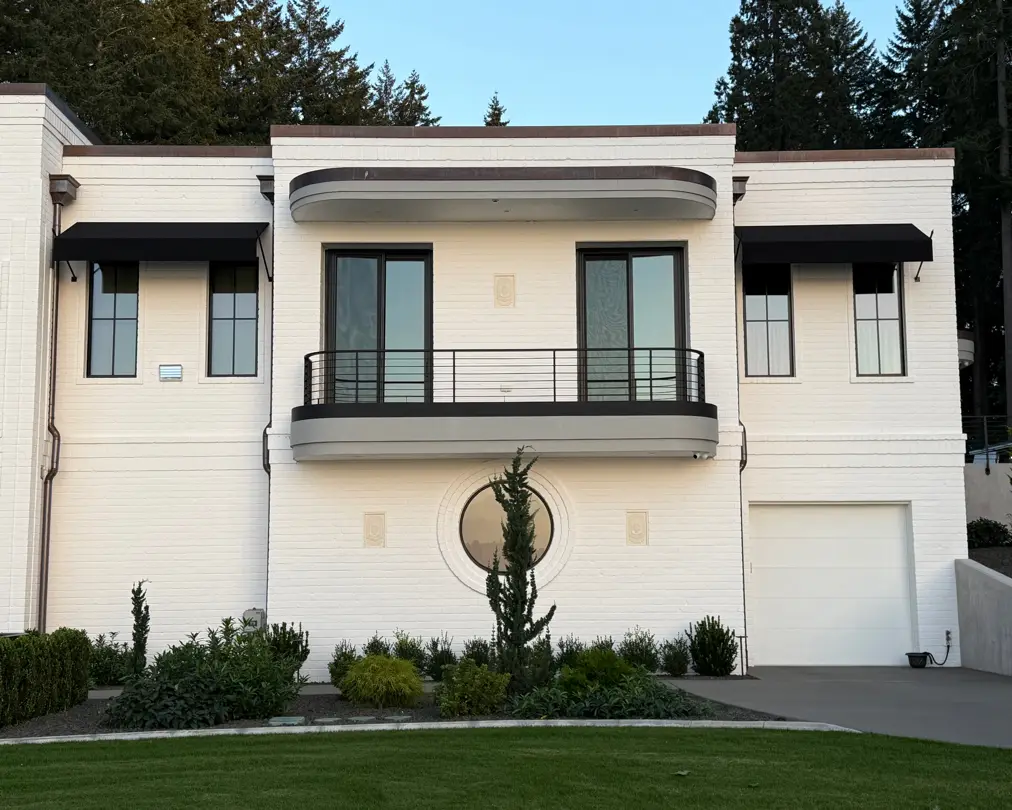
Window awnings
Shade individual windows from above to cut the heat in the rooms behind them.
Explore →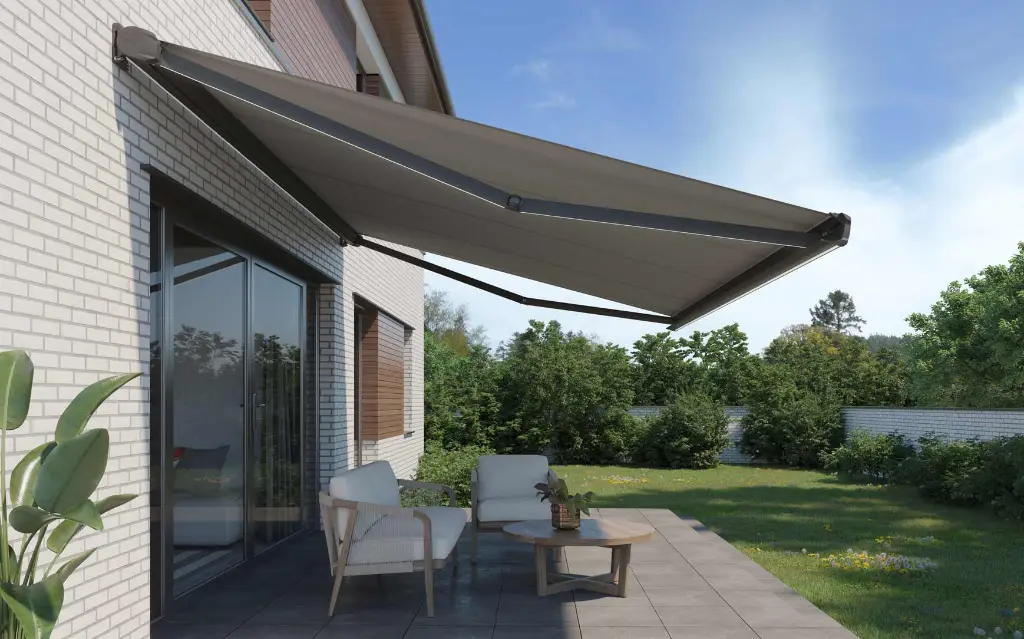
Retractable awnings
Shade the deck and the glass doors behind it, then retract when you want the sun.
Explore →Find out where shade would help most
At a free consultation we'll look at which windows take the most sun and recommend the simplest way to keep the heat out.
Schedule a free consultation Call 425-372-7766